
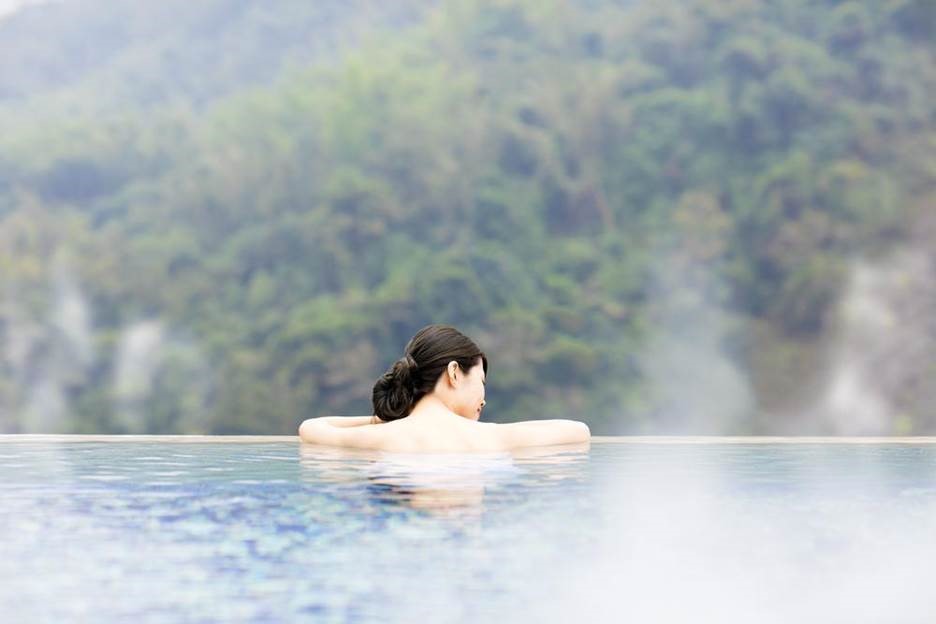
【Guide to Japan Hot Springs】Top 10 Best Hot Springs Voted by Locals! Must Know Hot Springs Etiquette!
How can you miss out on a trip to the Hot Springs if you are planning a trip to Japan during the winter holidays? You can find hot springs everywhere in Japan. It not only relaxes your body and mind, but is also the best way to experience the culture. A Hot Spring Ranking will be released every year in Japan, and the most iconic hot springs voted by professionals from the tourism industry and citizens will be awarded the“Top 100 Hot Springs”. Below is the 38th “Top 10 Hot Springs Ranking 2025 ”with must-know tips when using hot springs for all first-timers. Allowing you to enjoy the most authentic hot spring!
Japan Hot Springs |Top 10 Hot Springs in Japan (2025)
No. 10: Hakone Hot Spring (Kanagawa)
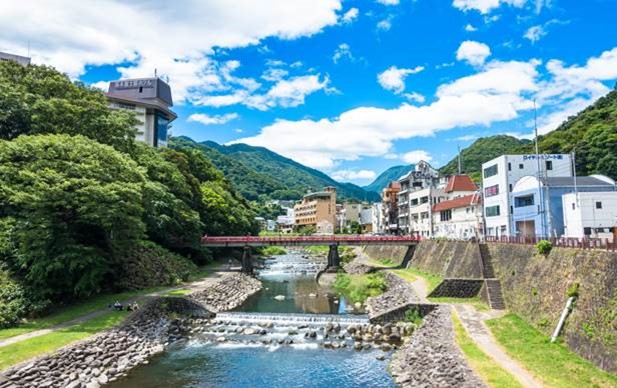
Image from Japan National Tourism Organization
Located close to Tokyo, allows a day trip to enjoy the hot spring. Hakone Hot Spring also provides a distant view of Mount Fuji, with a wide variety of onsen ryokans available. The convenient transportation makes it ideal for a quick getaway.
No.9: Kinosaki Hot Spring (Hyogo)
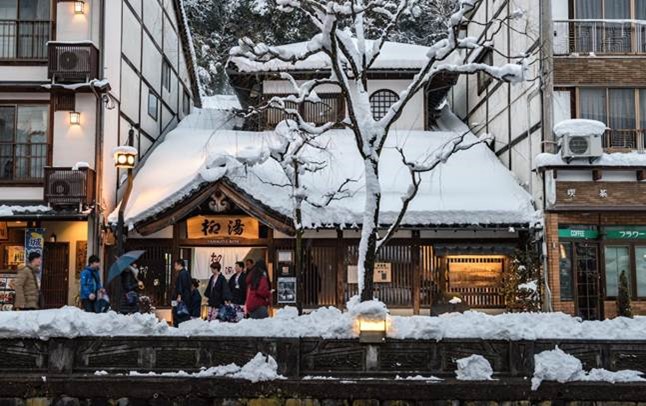
Image from Japan National Tourism Organization
A nostalgic and retro-themed onsen town, famous for its 'Tour of the Seven Public Baths' (meaning to visit all seven of the public bathhouses). Wearing a yukata and wooden clogs while strolling along the willow-lined banks of the Takigawa River is a quintessential activity here.
No. 8: Kurokawa Hot Spring (Kumamoto)
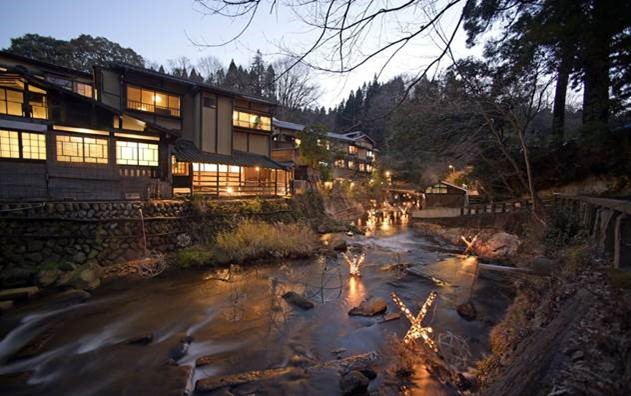
Image from Japan National Tourism Organization
Located deep within the Aso Mountains in Kumamoto, Kyushu, this hidden onsen has seen a surge in popularity in recent years. There are approximately 30 ryokans here, famous for the 'Yutou Tegata' (onsen pass), which allows guests to access the outdoor hot springs of different inns. Visitors can enjoy the hot springs while taking in the natural scenery and savoring local kaiseki cuisine.
No.7: Ibusuki Hot Spring (Kagoshima)
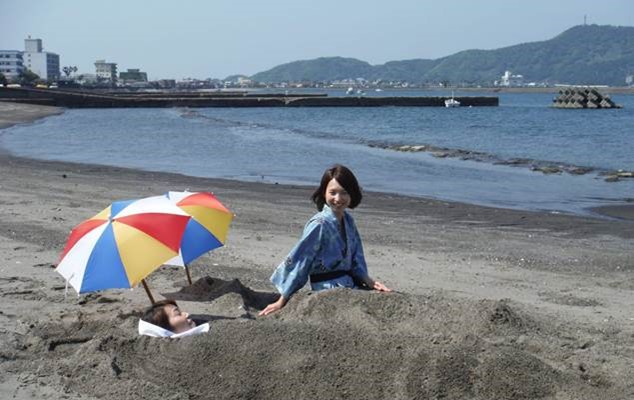
Image from Japan National Tourism Organization
Located at the southernmost tip of Kyushu, this area offers a unique experience of 'natural sand baths' (sunaburo). Wearing a yukata, guests are buried in warm volcanic black sand, with hot sand piled around their necks. Utilizing geothermal heat to induce sweating, for the effect of "purifying" the body.
No.6: Noboribetsu (Hokkaido)
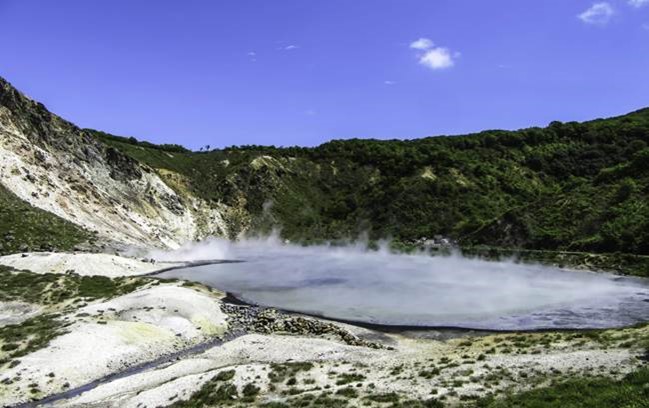
Image from Japan National Tourism Organization
Noboribetsu Onsen is the most iconic hot spring in Hokkaido. It is famous for its spectacular volcanic scenery, known as 'Jigokudani' (Hell Valley). The water of the hot spring is incredibly rich in minerals and boasts up to 10,000 tons every day. Noboribetsu features up to nine different types of spring waters, earning it the title of “Onsen Department Store”.
No. 5: Arima Hot Spring (Hyogo)
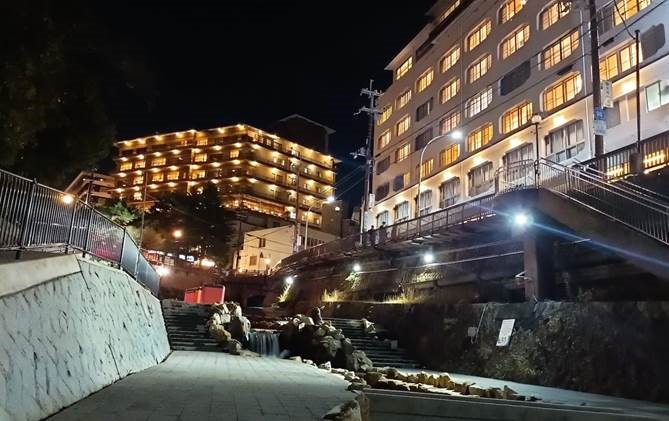
Image from Japan National Tourism Organization
Arima Hot Spring is located near Kobe and Osaka, and is the oldest hot spring in the Kansai region, as well as ranked one of Japan's 'Three Great Hot Springs.' The hot spring’s most notable feature is the iron-rich 'Golden Spring' (reddish-brown), which helps alleviate symptoms of nerve pain, muscle soreness, and joint pain. The carbonated 'Silver Spring' (transparent) is beneficial for reducing water retention and alleviating high blood pressure conditions.
No. 4: Onyado Nono Beppu Hot Spring (Oita)
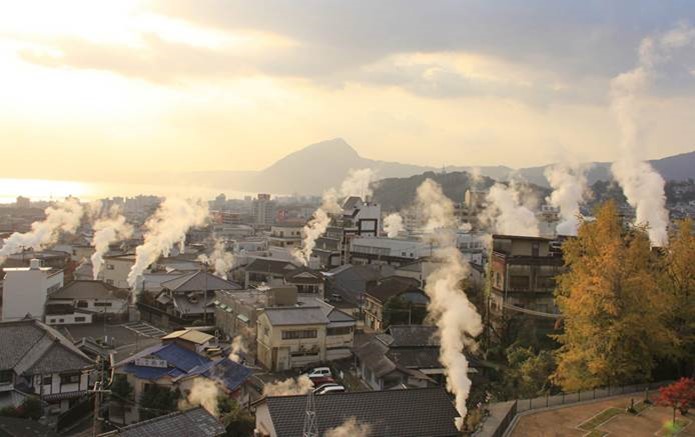
Image from Japan National Tourism Organization
Onyado Nono Beppu Hot Spring is situated near Fukuoka in Kyushu, and it refers to the eight distinct hot spring areas. The hot spring is also the top onsen town in Japan, in terms of water output. Aside from enjoying the hot springs, visiting the nationally designated scenic spots known as the 'Hell Tour' (including Chinoike Jigoku, Umi Jigoku, Tornado Jigoku, and Shiraike Jigoku) is also a must-do activity.
No.3: Gero Hot Spring (Gifu)
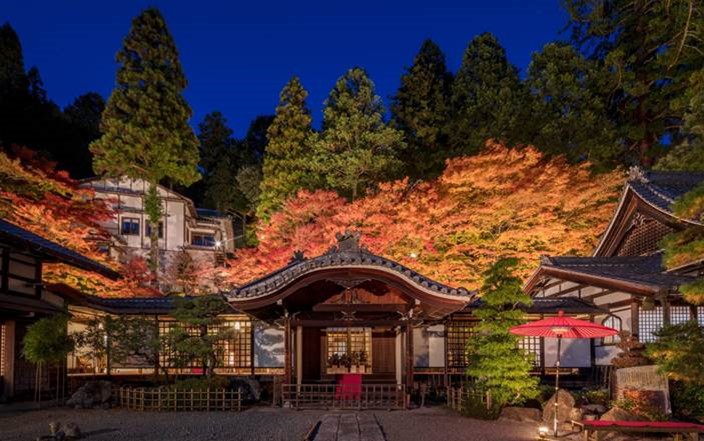
Image from Japan National Tourism Organization
Located near Kanazawa and Takayama, Gero Hot Spring is one of Japan's 'Three Great Hot Springs.' It's famous for the extremely smooth and skin-beautifying 'Beauty Bath.' The alkaline water of the hot spring exfoliates keratin and sebum from the skin, leaving your skin notably smooth.
No.2: Dogo Hot Spring (Ehime)
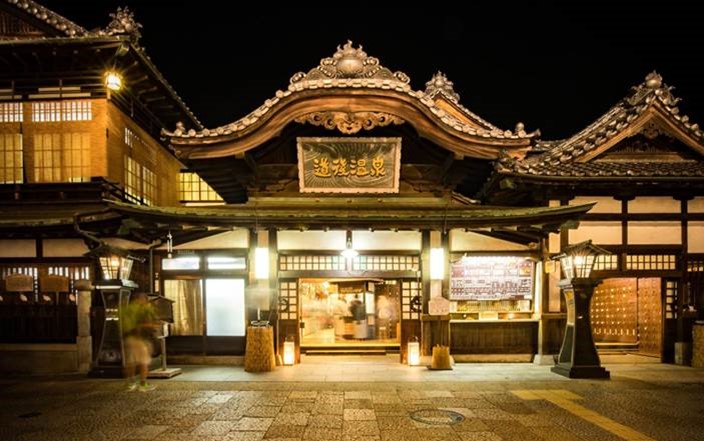
Image from Japan National Tourism Organization
Dogo Hot Spring is one of the oldest hot springs in Japan with a history of over 3,000 years. It is said to be the inspiration for the 'Aburaya' in Hayao Miyazaki's film 'Spirited Away,' making it highly iconic.
No.1: Kusatsu Hot Spring (Gunma)
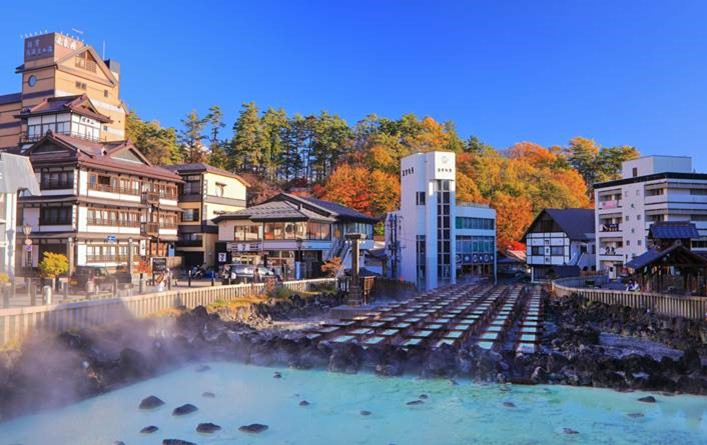
Image from Japan National Tourism Organization
Ranked as the number one hot spring in Japan for 22 consecutive years, Kusatsu Hot Spring holds the top position among Japan's 'Three Great Hot Springs.' It is famous for its nearly 50-degree Celsius sulfur-rich waters and the spectacular 'Yubatake' (hot water field). The 'Yumomi' performance in the center of the hot spring town is also a must-see attraction.
Japan Hot Spring|Guide for Hot Spring First-timers
If you want to experience a hot spring in the most authentic way as a first-timer, there are 6 points that you must remember:
1. Shower before entering the hot spring:
After removing your clothes in the changing room, you must shower yourself at the shower area. Make sure your body and hair are well cleansed before entering the hot springs.
2. No clothes allowed in the hot spring
Most hot springs in Japan don’t allow swimsuits. Enjoying the hot spring naked not only prevents water contamination, but also helps our body for better absorption. If you are not used to being naked, it’s advised to find hot springs that allow visitors to wear swimsuits.
3. No towels allowed in the hot spring
A small towel may be brought along when entering the hot spring. However, the towel is not allowed in the water. You should place the towel by the hot spring or fold it and place it on top of your head like many Japanese do.
4. Hair must be tied up in the hot spring
As hot springs and public baths are open to the public, hair should not be immersed into water. You should wear a shower cap or tie your hair up to prevent water contamination.
5. No playing in the hot spring
Hot springs are places for relaxation. Do not swim, shout or play in the area.
6. Do not return to the changing room if the body is still wet
After getting out of the hot spring, dry your body with a towel before returning to the changing room to keep the area dry.
Japan Hot Spring|Frequently Asked Questions
Q1: Can I still go into the hot spring if I have tattoos?
Although situations are changing, most traditional public baths in Japan still prohibit visitors with tattoos from entering. Rules are starting to relax as more tourists are visiting the hot spring. To avoid confusion, it is best to check with your hotel or cover up tattoos with bandages before enjoying the hot spring. You can also book a personal hot spring.
Q2: Can I take photos in the hot spring?
No. You cannot take photos in the hot spring area (including public baths and changing room area) for the reason of privacy.
Q3: Should I eat before going to a hot spring?
It is advised to enjoy the hot spring 1hour before or after a meal. Visiting the hot spring with an empty or full stomach (especially after drinking) will cause nausea or dizziness.
Want to have a fun and worry-free trip? Simply prepare travel insurance for yourself and your family! Any unexpected situations encountered during your travels, such as luggage delays, loss of belongings, or accidental injuries, can really affect your mood.
It's best to purchase travel insurance in advance of your departure so you can fully enjoy your autumn leaf-viewing trip without concerns. Chubb Travel Insurance can cover your losses in the following situations:
1. Personal Property and Cash
If your personal belongings, such as laptops or cameras, are lost or damaged due to theft, robbery, burglary, or accidents while abroad, Chubb Travel Insurance can compensate you up to HK$20,000. Additionally, your cash carried on your person is also covered.
2. Loss of travel documents
If you lose or have stolen your travel documents required for entry/exit, such as your passport or Hong Kong ID card, or even your flight/train/ferry tickets during your trip, Chubb Travel Insurance will cover the costs of replacing these items. It will also cover additional transportation and accommodation expenses incurred if you are unable to depart as scheduled due to arranging replacements.
Whether documents or personal belongings are lost, you must report the loss to local law enforcement authorities within 24 hours and obtain written proof. If items are lost on public transportation, report the loss to the operator within 24 hours and obtain written proof. Claims cannot be processed without valid proof.
The above information is for reference only. All coverage, exclusions, terms, and conditions are subject to the provisions in the policy document. For more information about travel protection from Chubb Insurance Hong Kong Limited, please click here to learn more.
You may contact us via mail or telephone.

Chubb Insurance Hong Kong Limited
39/F, One Taikoo Place, 979 King's Road, Quarry Bay, Hong Kong

Chubb Worldwide Offices
For the mailing address, telephone number and email address of any Chubb office in our global network, use our office locator.
Worldwide Office Locator
Chubb Travel Insurance Customer Service
Monday to Friday from 9:00 am to 5:30 pm
(Closed on Saturday, Sunday and Public Holidays)
Tel: (852) 3191 6611
Fax: (852) 2519 3233
E-mail: Travel.HK@chubb.com